
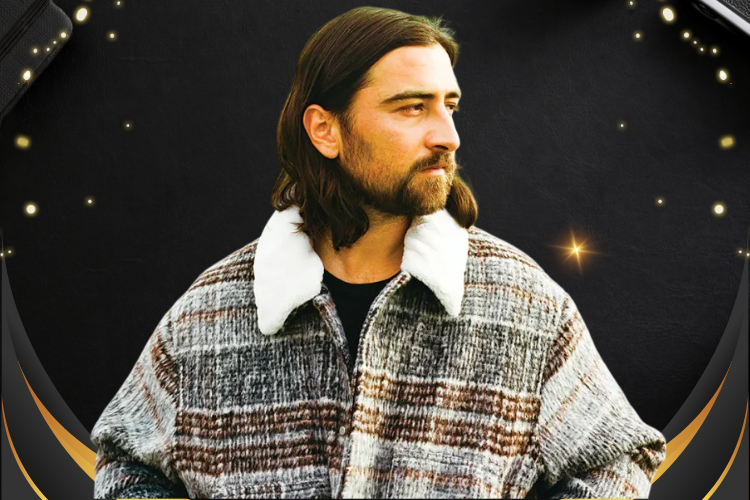
Netflix’s Out of Body Explores Noah Kahan’s Personality:
Last week, Netflix aired a full-length documentary about Noah Kahan called Out of Body.Throughout its ninety minutes, we discover that the 29-year-old singer-songwriter of “Stick Season”is someone who worries a lot — about his weight, his career, and his parents — and that he prefers his home state of Vermont far more than his new home in Nashville. He comes across as self-critical yet lovable, and perhaps not exactly the kind of artist you would expect to carry a 90-minute documentary at this stage of his career without adding unnecessary drama.
Noah Kahan’s Rapid Rise in Modern Folk Pop:
The fact that someone even attempted it says a lot about Noah Kahan’s remarkable rise over the last three years. Additionally, it vehemently refutes the notion that the difficulties of lockdown irrevocably altered pop music, with listeners seeking ostentatious escape rather than the straightforward, sincere, introspective singer-songwriters who followed Ed Sheeran and were once described by this newspaper as “ordinary guys.”
In reality, a new wave of simple and emotionally reflective music was just beginning to emerge. Myles Smith is now performing in massive arenas, Alex Warren’s single Ordinary stayed at No. 1 for 13 weeks, and Teddy Swims’ album I’ve Tried Everything Except Therapy remained on the UK album charts for more than two years. And perhaps the biggest success story of all is Kahan himself, who once jokingly introduced himself on stage as the “Jewish Ed Sheeran.”
The Success of Stick Season:
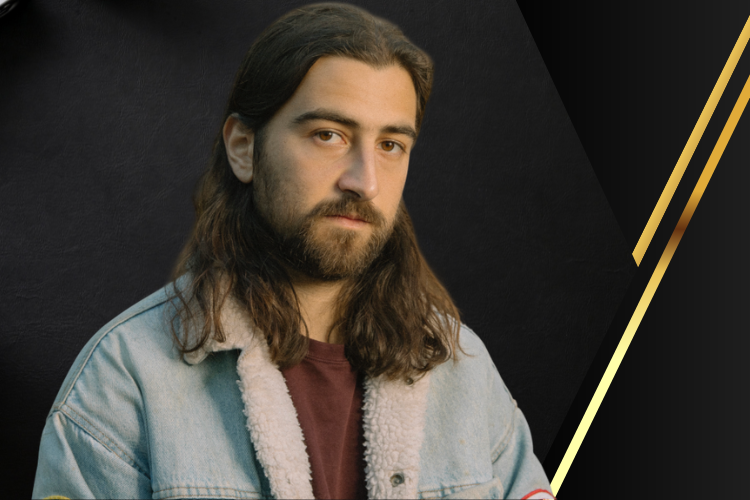
Noah Kahan loves the pounding folk rhythms associated with Mumford & Sons, while also mixing in touches of heartland rock — from Bruce Springsteen to Sam Fender. In 2022, the song Stick Season pushed him to new heights of fame. It was a beautifully sad song filled with autumn melancholy and nostalgia, written from the perspective of someone left behind in their hometown while friends and an ex-girlfriend move away to university. The track sold 10 million copies and became the first of eight major hits from the album of the same name.
The Great Divide and the Pressure of Success:
One question that clearly troubles Noah Kahan throughout Out of Body is whether this level of success can last, or whether repeating it will be impossible. You can hear that concern running through his fourth album, The Great Divide. Rather than trying something radically new, the album seems more focused on strengthening the success he already has.
Aaron Dessner of The National co-produced the album, and his influence is immediately recognizable in the glowing piano lines and hazy atmosphere. Still, musically it stays very close to the blueprint of the previous record — perhaps slightly less “Mumford” and a little more heartland rock — though the differences are subtle enough that you really have to think about them.
Small-Town Storytelling Remains Central:
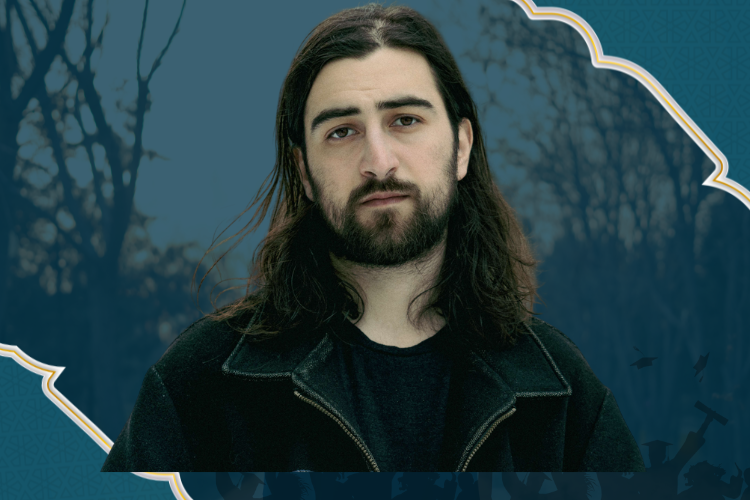
If you loved the autumn mood of Stick Season, this album opens with a song called End of August, and its cover art prominently features leafless trees. If you connected with the small-town storytelling of the previous album, The Great Divide offers more of the same kind of characters. In Paid Time Off, a couple discusses how “someone said there’s a world out there, but we don’t want to drive that far,” but the main character in Downfall sarcastically remarks that his partner’s new haircut makes her look “very Californian.” When she leaves, he bitterly tells her, “Call me when everything falls apart.”
The song Dashboard pushes back against the idea that crossing a state line can completely transform a person: “At the end of the day, you’re still going to be an asshole.” Noah Kahan often frames his own success through the imagined perspective of people from his hometown: “A little fame hasn’t changed who I am,” and “I trust my hometown to keep me grounded.”
Noah Kahan’s Strengths as a Songwriter:
Naturally, there is nothing intrinsically flawed about such strategy.Many artists in Noah Kahan’s position choose not to change what is already working, and besides, he is genuinely very good at what he does — even if he sometimes places limitations on himself creatively. Even the energetic Deny Deny Deny carries an appealing melody, and as a lyricist, Kahan has a sharp eye for detail and avoids the vague clichés that some of his contemporaries fall back on.
The Main Issue With The Great Divide:
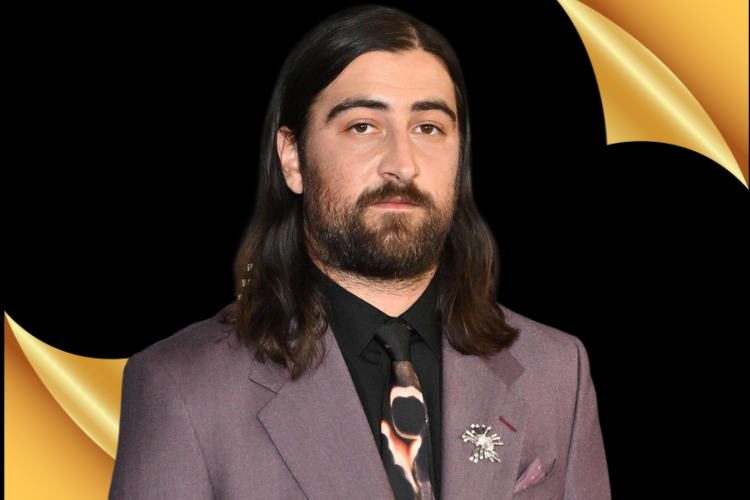
The real issue with The Great Divide is that there is simply too much of Noah Kahan’s style packed into one album. It contains 17 songs, and the length does not feel like the result of a grand artistic statement. Instead, it feels as though he struggled to decide which tracks to cut. He could have started by removing Headed North, which essentially sounds like Stick Season 2.0.
With such a long album and little variation in musical style, things inevitably begin to blur together midway through — and that is exactly what happens here. Long before the songs are over, your attention starts drifting, even though Kahan often finishes them with beautifully understated choruses.
Will Noah Kahan Continue His Massive Success?
Maybe none of this really matters. In today’s playlist-driven era, where listeners prefer individual tracks over hearing albums from start to finish — and where the idea of sitting through a full album is increasingly seen as old-fashioned — it is easier to overlook filler material.
You cannot confidently say that The Great Divide will fail, but you also cannot guarantee that it will reach the same level of success as Stick Season. And perhaps that does not matter either. Watching Out of Body, you begin to wonder whether Noah Kahan might actually be happier if things slowed down a little, giving him the freedom to refine his small-town storytelling — and perhaps experiment more creatively — without the heavy pressure of massive expectations.